The Price of Exposure: Inside the Murder Trial of a Maltese Heir and the Financial Corruption That Shook an Island
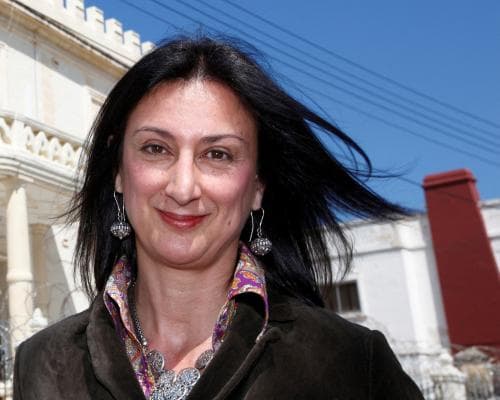
A witness in a Maltese courtroom this week described the final seconds of Daphne Caruana Galizia’s life. She was driving away from her home in Bidnija when a small spark flashed under her car—like a firework, he said. She screamed. Then the real bomb went off. The journalist was killed instantly, her car torn apart on a rural road in 2017. But the shockwave never stopped. It toppled a prime minister, exposed a web of offshore deals, and now lands one of Malta’s wealthiest heirs in the dock, facing a life sentence.
This is not just a murder trial. It is the reckoning for a system where family fortunes, political favor, and financial secrecy became a toxic cocktail. Yorgen Fenech, the 43-year-old heir to a property and hotels empire, is the last of seven men accused in the killing. He has pleaded not guilty. But the evidence against him—text messages, financial records, and a trail of cash—paints a picture of a man desperate to stop Caruana Galizia’s reporting on his family’s business ties to the Maltese government. The Panama Papers had already exposed his involvement in a secret company called 17 Black, which was allegedly set up to funnel money to politicians. Her journalism was closing in. The bomb was the final edit.
Here is the wealth angle that matters. The Fenech family fortune was built on hotels and real estate—concrete assets that seem solid, safe, even boring. But the investigation into Caruana Galizia’s death revealed how easily such wealth can be weaponized. Prosecutors allege Fenech used his millions to orchestrate a hit, paying middlemen and sourcing the remote detonator. The cost of silencing a journalist? A few thousand euros. The cost of getting caught? A fortune in legal fees, frozen assets, and a reputation in ashes. For anyone managing serious capital, this is a case study in the perils of operating where the rule of law is weak and the lines between private gain and public power blur.
The trial itself has been a masterclass in delay. Nearly nine years after her death, a jury was finally sworn in last week. The neighbor’s testimony this Thursday was the first time the court heard the visceral details of the explosion—the scream, the panic, the two-stage detonation that left Caruana Galizia conscious for a few horrifying seconds. The defense will likely argue that Fenech was set up, that the real masterminds remain free. But the prosecution’s case rests on a mountain of digital evidence, including encrypted messages that suggest Fenech discussed the murder plan in real time. If convicted, he faces automatic life imprisonment. Malta has no parole for murder.
What does this mean for markets and the wealthy? First, it is a brutal reminder that offshore secrecy is no longer a shield. The Panama Papers, the Daphne Project, and the relentless work of investigative journalists have made it nearly impossible to hide the flow of dirty money. Second, it signals a growing willingness by European institutions to crack down on jurisdictions that enable corruption. Malta has already been downgraded by the EU’s anti-money-laundering watchdog. More scrutiny is coming. For family offices and private investors with exposure to high-risk jurisdictions, the message is clear: transparency is not just ethical—it is a hedge against catastrophe.
As the trial unfolds, the Fenech family’s hotel empire continues to operate, but the stain is indelible. The brand now carries the weight of a murder conspiracy. And for the wealthy who watch from a distance, the lesson is as old as power itself: when you treat the truth as a threat, you may end up destroying everything you built. Daphne Caruana Galizia died because she exposed how money and politics corrupt. Her legacy is that some truths are finally too expensive to bury.