The Alpine Rescue of Tomorrow: How an AI Drone Found Lost Hikers in Kosciuszko National Park
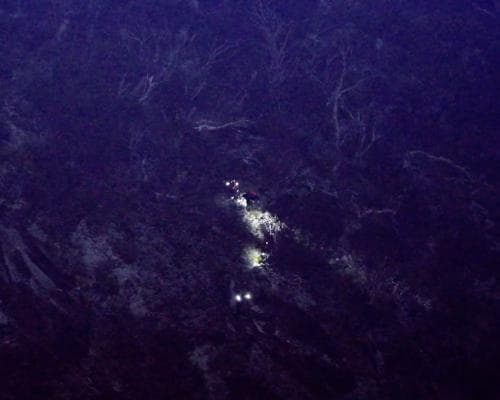
In the hushed, starlit expanse of Kosciuszko National Park, where the Snowy Mountains rise like ancient guardians against the Southern Cross, a quiet revolution in alpine rescue unfolded. Two hikers in their twenties, who had veered from the rugged Dead Horse Gap track, found themselves enveloped by the cold, indifferent dark. But instead of a protracted, perilous search through the night, a drone powered by artificial intelligence—a ghost in the machine—swept across the granite ridges and snow gums, its thermal eye piercing the void. Within five hours, they were found, a feat that Fire and Rescue NSW calls a world first. For the ultra-wealthy, who often seek the most remote and challenging terrains, this is not just a rescue story; it is a testament to how technology is redefining safety in the world’s most pristine yet unforgiving landscapes.
The Dead Horse Gap track, a winding path through the alpine heart of New South Wales, is a siren’s call for those who crave solitude and raw nature. It is here, some 35 kilometres south-west of Jindabyne, that the bush gives way to stark, windswept ridges and the air thins with altitude. For the discerning traveller, Kosciuszko offers a rare communion with the elements—a place where the only sounds are the rustle of snow grass and the distant cry of a wedge-tailed eagle. Yet, as this incident reveals, the very isolation that attracts the adventurous can also become a trap. The two men, reported missing at 7pm after failing to reach their rendezvous, were half a kilometre off the track, their red phone light a desperate beacon in the dark. The drone, equipped with a built-in speaker and spotlight, did more than locate them; it spoke to them, guided them, and directed ground rescuers through the labyrinth of the night.
The technology behind this rescue is as elegant as it is formidable. The FRNSW’s remote air piloted system, an AI-driven drone, uses thermal imaging to detect human heat signatures against the cold mountain backdrop. In this mission, it was the first time the AI detection system had been used to find missing people, and it performed with breathtaking precision. The drone’s ability to communicate via speaker and illuminate the terrain with its spotlight transformed a potentially days-long search into a swift, almost surgical operation. For the ultra-wealthy, who often charter private helicopters or hire expert guides for alpine expeditions, this represents a new layer of security—a silent, watchful ally in the sky that can be deployed at a moment’s notice. It is the kind of bespoke safety net that money can now buy, embedded in the very fabric of luxury travel.
Rarity and heritage converge here in a story that is as much about human ingenuity as it is about the mountain itself. The rescue was led by Inspector Phillip Eberle, a regional duty commander for the NSW Alpine area, who noted that the technology “potentially reduced the search time by several days.” For the wealthy, who often pay a premium for exclusive access to places like the Snowy Mountains—whether via private lodges, heli-hiking, or guided backcountry tours—this speed is invaluable. The cost of a search operation can run into tens of thousands of dollars, but the real currency is time and safety. Eberle’s words, “There’s every chance in the world we could have still been out there,” underscore the fragility of human life against the mountain’s grandeur. This rescue, at a fraction of the cost and risk of traditional methods, signals a shift in how luxury travellers can approach the wild: with confidence, not caution.
This incident signals a broader evolution in luxury travel: the integration of AI into the very fabric of adventure. The ultra-wealthy are no longer content with mere opulence; they seek experiences that are both immersive and secure. From the Alps to the Andes, the next frontier is not just about reaching the summit, but about doing so with a digital guardian watching over. Kosciuszko, with its stark beauty and now its pioneering rescue, becomes a case study in how technology can enhance, rather than diminish, the raw thrill of the wild. For those who can afford the finest guides and the latest gear, the mountain is no longer an adversary—it is a partner in a dance where safety is assured by algorithms.
Where the wealthy go next is into the heart of the unknown, but with a tether of data and light. The AI drone that found these two hikers is a harbinger of a new era: one where the most remote corners of the world are accessible without the shadow of risk. For the discerning traveller, Kosciuszko National Park offers not just a journey through alpine meadows and ancient peaks, but a glimpse into a future where luxury and technology converge. As the wealthy seek out the next uncharted territory—be it the high passes of the Himalayas or the ice fields of Patagonia—they will do so with the quiet assurance that the sky itself is watching. The rescue of these two men is a story of survival, but for the luxury traveller, it is a promise.


