England's World Cup Run Is a £500M Liquidity Event for the UK Economy
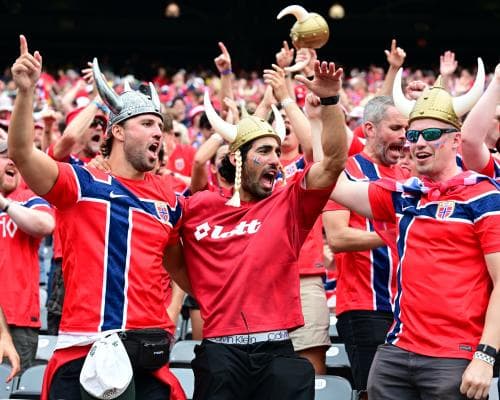
There’s a pub in Kenton, North London, where the beer of choice isn’t a crisp lager or a bitter ale. It’s Akevitt — a Norwegian potato spirit that tastes of caraway and dill. On Saturday, the Kenton Arms will be packed with 200 fans, mostly Norwegian, watching their team face England in the World Cup quarter-final. The owner, Egil Johansen, has run the place for 17 years. He had to stop entry an hour before kick-off during the Brazil match. That’s the kind of demand that turns a corner pub into a cash machine.
That single game is expected to generate a £500 million sales boost for the broader UK economy. Not bad for 90 minutes of football. The estimate comes from a combination of 9.3 million pints poured, takeaway orders surging, and a wave of new TV purchases as fans upgrade their home setups. The quarter-finals collectively are a near half-billion-pound windfall. For context, that’s roughly the market cap of a mid-tier FTSE 250 company — created in a single weekend of drinking, eating, and watching.
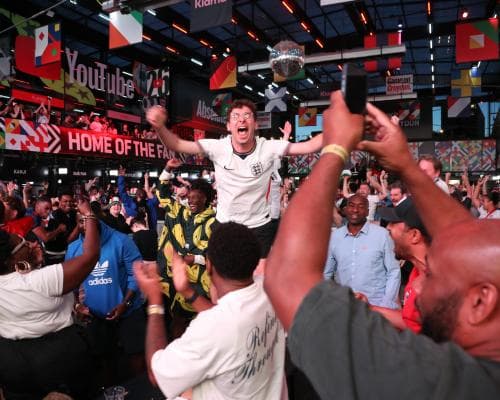
The numbers are staggering. UKHospitality reports that pub sales on matchdays are up 77% compared with a typical Tuesday. The British Beer & Pubs Association expects £27.5 million in extra revenue from 5.5 million additional pints on Saturday alone. But the real action is in the watch parties. Outdoor fan zones and ticketed venues sold out within hours of England’s thrilling 3-2 victory over Mexico in the last 16. The economics are simple: when a nation stops working and starts watching, money flows into hospitality, retail, and logistics with remarkable velocity.
What’s fascinating here is the rarity angle. These are not recurring quarterly earnings. They are idiosyncratic, event-driven capital surges. The World Cup comes every four years. A home nation run like England’s — with genuine hope of progression — is a once-in-a-generation liquidity event for small businesses. The Kenton Arms won’t see this kind of foot traffic again until 2026, if then. For investors, that’s the kind of scarcity that commands a premium. It’s why event-driven hedge funds love World Cups, Olympics, and royal coronations: predictable, massive, and short-lived.
This also signals something deeper about how the wealthy deploy capital. The smartest money isn’t just in stocks or bonds. It’s in understanding cultural velocity. When 9.3 million pints are sunk in a single day, the ripple effects hit everything from pub landlords to logistics firms to TV manufacturers. The BBPA data shows a 77% uplift on matchdays — that’s a 77% spike in revenue for a sector that normally runs on thin margins. For a private equity firm holding a pub chain, that’s a free cash flow bonanza.
Looking ahead, the question is whether this is a one-off or a template. The UK economy is starved of growth catalysts. A World Cup run is a temporary stimulus that doesn’t require government spending. It’s organic, consumer-driven, and self-financing. For wealth builders, the takeaway is clear: pay attention to calendar effects. The next big match, the next final, the next cultural moment — that’s where the capital flows. The Kenton Arms will be doused in Akevitt on Saturday. The UK economy will be doused in cash. And the smartest investors will already be watching the next fixture list.