The Four-Second Warning: How Facial Recognition Is Rewriting the Rules of Retail Security for the Ultra-Wealthy
Imagine this: you’re browsing a Mayfair boutique, cashmere in hand, when a silent alert pings a police terminal four seconds later. No sirens. No commotion. Just a quiet, digital handshake between a camera and the law. This isn’t science fiction. It’s the new reality of retail security, and it’s arriving this autumn in the UK’s most frequented shops. For the ultra-wealthy, who value discretion above all else, this technology promises a world where the wrong sort of person never even gets to the cashmere rack.
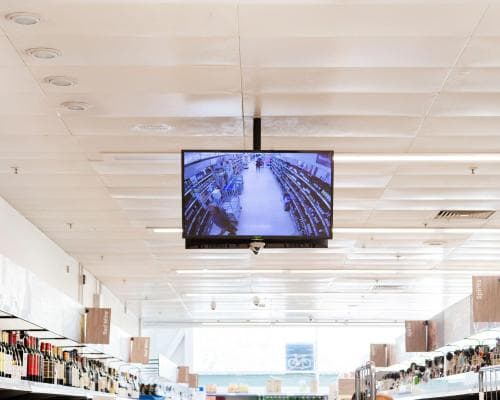
The system is called Facewatch, and it’s already used by over 100 businesses—including Sainsbury’s, B&M, and Spar—to spot known thieves. But the new feature is a leap: it alerts police in real time, averaging four seconds, when a “serious offender” is flagged. Nick Fisher, Facewatch’s CEO, calls it a “unique technical development.” Civil liberties groups call it a “dangerous escalation.” For the luxury shopper, it’s a quiet revolution. The idea is simple: if you’ve never been on the wrong side of a security camera, you’ll never notice it. If you have, the door is now effectively locked before you touch the handle.
This isn’t about stopping a shoplifter mid-act. It’s about pre-emption. The system scans faces, cross-references them with watchlists, and decides who gets to browse in peace. Critics like Sarah Lasoye of the Open Rights Group say it “entrenches a climate of surveillance.” Charlie Whelton of Liberty warns it’s “untested, opaque,” and that calling police on someone who hasn’t committed a crime “upends” due process. They’re right—and that’s exactly why the luxury sector is paying close attention. For a private client spending six figures on a watch, the presence of a known repeat offender in the same airspace is a risk no insurer or retailer wants to take. Speed is the new luxury currency, and four seconds is the new velvet rope.
The numbers are staggering. Facewatch already sends nearly 300,000 alerts a year that a known repeat offender has entered a store. Sainsbury’s alone plans to expand from 55 stores to over 200 by year’s end. But the real story for the discerning reader is what this means for the shopping experience. Think of the hushed corridors of Harrods, the private viewing rooms of Bond Street jewelers. Now imagine those spaces protected by a system that never blinks, never takes a break, and never makes small talk. False positives happen—and they’ve already forced innocent people out of shops, with Black and Asian individuals disproportionately affected. But for the ultra-wealthy, the calculus is cold: a system that occasionally mistakes a tourist for a thief is preferable to one that lets a professional walk out with a Birkin.
This signals a broader shift in how wealth and security intersect. The old model was about locks, guards, and insurance. The new model is about data, speed, and exclusion. Facewatch doesn’t just deter crime; it curates the clientele. For the luxury market, which thrives on scarcity and controlled access, this is a natural evolution. The same technology that flags a known shoplifter could, in theory, be tuned to welcome a VIP member. The line between security and service is blurring. And for those who can afford it, that blur is a feature, not a bug.
Looking ahead, expect this technology to migrate upward. The same system that guards a supermarket will soon guard a private yacht club, a members-only hotel, or a penthouse lobby. The question isn’t whether facial recognition will become standard in luxury retail—it’s whether you’ll notice it when it does. For now, the message is clear: in the world of ultra-wealth, the four-second warning isn’t a threat. It’s a welcome mat that knows exactly who you are.
The Experience
To experience the future of frictionless luxury retail, schedule a private consultation with a security concierge who can integrate Facewatch-level technology into your personal shopping or residential portfolio.
More in INNOVATION