Serena Williams’s Wimbledon Wildcard: A High-Stakes Bet on Brand Equity and Legacy Capital
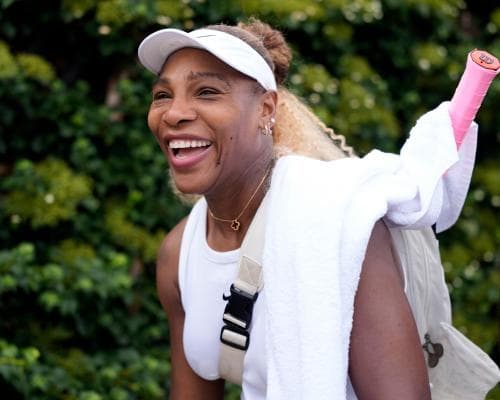
For the world’s sharpest capital allocators, the most intriguing asset on Centre Court this week isn’t a blue-chip stock or a trophy real estate parcel—it’s Serena Williams. Her decision, announced with just one day to spare before Wimbledon’s qualifying draw, to accept a singles wildcard at age 44 and four years after walking away from competitive play is a masterstroke in brand equity management. This isn’t merely a sporting event; it’s a high-conviction trade on the enduring value of scarcity, reputation, and the emotional premium that markets assign to iconic names. When Williams steps onto Centre Court to face Australia’s Maya Joint, she will be monetising a legacy that most fund managers can only dream of: a 14-time Wimbledon champion’s aura, still glowing after a four-year hiatus.
The scale of this bet is anything but sentimental. Williams’s return comes with no singles warm-up tournament—a self-imposed handicap that would terrify most professional investors. Yet the arithmetic is clear: Wimbledon’s global broadcast audience, its luxury sponsorship ecosystem, and the instant media frenzy around her wildcard generate an attention yield that no exhibition match could replicate. For Williams, the payoff isn’t prize money (the winner’s cheque is £2.7 million, but she has earned over $94 million in career prize money alone) but the multiplier effect on her personal brand, which Forbes once valued at north of $300 million in annual enterprise. She is, in effect, re-leveraging her most valuable asset: the narrative of the comeback.
The mechanics of this move reveal a keen understanding of market dynamics. Williams knew she had until Monday to decide, and she used that time to test her own conviction—a classic ‘option value’ play. By waiting until the last permissible moment, she maximised the value of the wildcard as a news event while preserving the ability to walk away if her physical capital didn’t meet her internal hurdle rate. The wildcard itself is a rare instrument: Wimbledon grants only a handful each year, and they are reserved for players who can generate outsized attention or have deep historical ties to the tournament. Williams is both. She is also a two-time Olympic gold medallist on these very grounds, giving her a heritage premium that no other player in the draw can claim.
The rarity of this situation should not be underestimated. Wimbledon’s wildcards are not tradable securities, but they function as call options on brand exposure. For Williams, the cost of entry is zero—no qualifying rounds, no ranking points required—while the potential upside includes a Centre Court stage, global press coverage, and the chance to write a new chapter in her legacy narrative. For the tournament, the calculus is equally favourable: a Williams appearance drives ticket demand, broadcast ratings, and luxury hospitality sales. This is a mutually beneficial capital allocation, one that wealth builders should recognise as a textbook example of using scarcity to create value.
What does this signal for markets and the wealthy? First, it confirms that legacy assets—whether a trophy apartment at 432 Park Avenue or a tennis legend’s comeback—retain pricing power even after long pauses. Second, it illustrates the growing trend among ultra-high-net-worth individuals to treat personal brand as a separate asset class, one that can be ‘turned on’ at strategic moments to generate outsized returns. Williams’s decision is a direct play on attention capital, a currency that increasingly drives valuation in the luxury goods, media, and entertainment sectors. Finally, it underscores a lesson for family offices and endowment managers: the most valuable portfolios often include non-correlated, emotionally resonant assets that can be liquidated for narrative value rather than cash.
Looking ahead, the real question is whether Williams’s gamble will pay off in the only metric that matters for wealth builders: long-term equity. If she wins a match or two, the narrative will amplify, driving speaking fees, endorsement renewals, and perhaps a new business venture. If she loses quickly, the story still has value—a graceful exit from a legendary career is itself a marketable product. Either way, Williams has already executed a perfect trade: she invested nothing but her own time and reputation, and she stands to capture the full upside of a global spotlight. For those managing capital in any form, that’s a deal worth studying.


