Cambridge's Plagiarism Probe Exposes the Brittle Myth of the Academic Prodigy
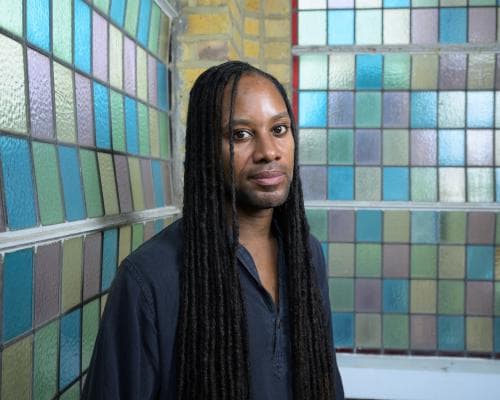
The fairy tale had all the right beats: a boy from a working-class London estate, written off by teachers, diagnosed with autism and developmental delays, who rose to become Cambridge's youngest Black professor. Jason Arday's story was a beacon of hope, a proof that the ivory tower could open its doors to the most unlikely candidates. But now the tower is shaking, and the story is cracking. Cambridge has announced an investigation into Arday following "new information" about his academic qualifications and honorary appointments — a stunning reversal for a university that once dismissed the allegations as a "vile campaign."
For months, Arday denied accusations of plagiarism in his PhD thesis and published research, and an initial review by Liverpool John Moores University cleared him, attributing the issues to "honest and reasonable error." But the Guardian's own investigation uncovered deeper discrepancies — claims of prodigious fundraising and a story about being attacked by masked intruders that didn't add up. The university's patience, it seems, has run out. Cambridge's statement on Wednesday evening was terse: "The University of Cambridge has begun an investigation following new information about Prof Arday's academic qualifications and honorary appointments. In order to ensure a fair process, we will not comment further until this has concluded." The silence says everything.
This is not just a scandal about one man's CV. It's a stress test for the modern academic-industrial complex, where reputation is currency and narratives are assets. Arday's rise was a triumph of storytelling — a story that elite universities desperately wanted to believe, because it validated their diversity initiatives and their claims to meritocracy. But when the story starts to fray, the institutions that amplified it face a choice: protect the narrative or protect the truth. Cambridge's decision to investigate suggests that even the most powerful brand can no longer afford to ignore the cracks.
The technology here is not silicon or software; it's the machinery of academic credentialing itself. The same tools that allow a star professor to build a public persona — social media, TED talks, media profiles — also enable a shadow system of inflated claims and unverified honors. The investigation will likely focus on how Arday's qualifications were vetted, and whether Cambridge's hiring process was blinded by the glow of his origin story. It's a wake-up call for every university that has ever fast-tracked a "diversity hire" without the usual scrutiny. The cost of a mistake is no longer just a retraction; it's a crisis of institutional trust.
But let's be clear about what's at stake. Arday himself has admitted to mistakes, telling the Times: "I am accountable for the mistakes I've made. I hold myself accountable and other people should hold me accountable." He also pushed back against the cruelty of his treatment, saying, "We're talking about academia here. I didn't murder somebody." He's right — this isn't a crime. But it is a breach of the implicit contract between scholar and institution: that the work is real, the credentials are earned, and the story is true. When that contract breaks, the fallout extends far beyond one career.
For the sector, this is a bellwether moment. Elite universities are increasingly competing for star faculty who can bring both research funding and media attention. The pressure to hire fast, promote loudly, and defend fiercely is immense. But the Arday case shows that shortcuts in verification are now a liability, not a convenience. In an age where deepfakes and AI-generated content are blurring the lines between truth and fabrication, academic integrity is becoming a premium asset. Institutions that invest in rigorous, transparent vetting processes — and that are willing to admit when they've been fooled — will be the ones that survive the coming trust recession.
The forward-looking question is not whether Arday will be exonerated or condemned. It's whether Cambridge, and the broader academic world, will learn the right lesson. The lesson is not "don't hire people with compelling stories." It's "verify the story before you tell it." The next generation of scholars deserves a system that celebrates genuine achievement without inflating it, and that values diversity without turning it into a prop. If this investigation forces even a few universities to tighten their credential checks and slow down their hero-making, then the damage to one career might just be the price of a more honest academy.
As the investigation unfolds, the world will be watching. Arday's fate will be decided by the evidence, not the narrative. And Cambridge's reputation — once thought untouchable — will be decided by how it handles the aftermath. The story of Jason Arday is no longer a fairy tale. It's a cautionary tale, and the ink is still wet.