The $20 Million Club: How New South Wales Is Rewriting the Economics of Poker Machines
There is a moment in every great wealth story when the music changes. For the Australian club industry — a sector that has quietly minted fortunes from the hypnotic chime of poker machines — that moment arrived this weekend in a Sydney conference hall. The NSW Labor party, pushed by its left flank and a mayor named Darcy Byrne, just voted to take a sledgehammer to the economics of pokies. The motion is not law yet. But it is a policy platform for the next election, and it signals something the smartest capital always fears: political momentum that turns a cash flow into a liability.
Let's talk about the scale of the beast. New South Wales is home to roughly 90,000 poker machines — more than any other Australian state, and more than entire countries. These machines are not just gambling tools; they are the financial engine of the registered clubs sector, from the RSL in your suburb to the grand bowling club by the beach. The industry has long argued it is a community pillar. But the numbers tell a different story. Problem gambling rates are stubborn, and machine profits have been surging. The motion that passed with unanimous support on Sunday targets the very top of that food chain: clubs that generate more than $20 million in annual profit from their machines will face higher taxes. That is a direct wealth transfer from the balance sheets of the biggest operators to the state's coffers.
The mechanics here are brutal for incumbents. The motion commits to a moratorium on new machine licences, a 10-year plan to "significantly reduce" the total number of machines, and a rule that 50% of machines moved between venues must be removed from operation entirely. Darcy Byrne's original proposal called for half of all 90,000 machines to go. The compromise is softer, but the direction is clear: the state wants fewer machines, less gambling, and a bigger cut of the profits that remain. For the clubs that borrowed heavily against those future cash flows, this is a restructuring event waiting to happen.
This is where the heritage and capital angle bites. Club assets in NSW have long been treated as quasi-sovereign wealth vehicles — illiquid, family- or member-controlled, and deeply resistant to change. The pokie machine is the goose that lays the golden egg, and the golden egg funds everything from subsidised beer to community grants. But as any private equity veteran will tell you, a business model that depends on a politically vulnerable revenue stream is not a business model at all; it is a regulatory arbitrage. The motion's inclusion of mandatory facial recognition in every gaming room — to support a statewide exclusion register — adds a layer of surveillance cost that further erodes margins. The wealthy club directors who have been collecting dividends from these machines are now staring at a decade of declining yields and rising compliance bills.
What does this signal for markets and the wealthy? First, it confirms a global trend: the era of unfettered gambling revenue is closing. From UK betting shops to US sportsbooks, regulators are waking up to the social cost of frictionless wagering. NSW is the canary in the coal mine for Australia's $10 billion-plus poker machine industry. Second, it tells us something about capital allocation. The smart money — the family offices and institutional investors who look 20 years ahead — have already been rotating out of sin stocks with regulatory tail risk. This motion accelerates that rotation. If you own a club asset in NSW, your exit window just got narrower. The buyers who might have paid 12x earnings for a stable pokie portfolio will now demand a discount for political risk.
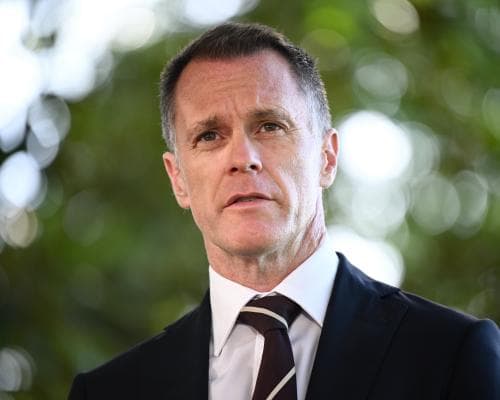
Finally, the forward look. Chris Minns, the premier, has been quietly involved in the negotiations — a sign that the government sees this as a vote-winner, not a liability. The unions, through Mark Morey, have thrown their weight behind reform. That is a powerful coalition. For the wealthy individuals and family groups who have built their fortunes on the back of these machines, the message is simple: diversify or be diversified. The momentum is real. The music has changed. And the smartest capital is already looking for the next door.