The Welsh Water Paradox: When a Not-for-Profit Giant Still Can’t Escape the Regulatory Noose
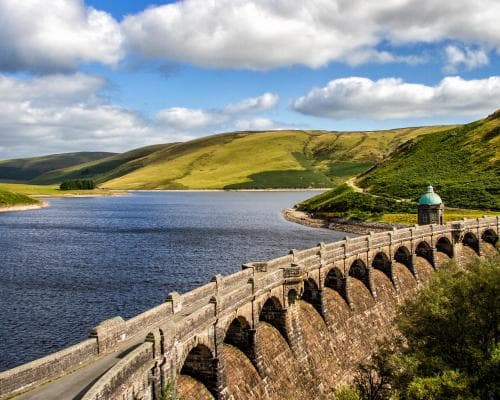
For the global elite, water is the ultimate liquid asset—more precious than any vintage Champagne or bespoke yacht fuel. Yet the narrative around its stewardship has long been a binary battle: private profit versus public virtue. Enter Welsh Water, the quiet anomaly that returned to public hands in 2001, a full quarter-century before Andy Burnham’s populist calls for nationalisation. This is not a story of triumphant socialism. It is a masterclass in the messy reality of infrastructure management, where even a not-for-profit model—free from the tyranny of dividend-hungry shareholders—struggles to deliver the flawless performance that the ultra-wealthy demand from every service they touch.
The facts are as sobering as a cold tap in a country estate. Welsh Water, serving 3 million customers across Wales and parts of England, converted to a not-for-profit entity in 2001 after a convoluted corporate saga that saw the original Thatcher-era privatisation unravel. Its website boasts that all surpluses go “straight back into keeping bills down and looking after your water and beautiful environment.” Yet the metrics tell a different story. On customer trust, Welsh Water scores high—a nod to its public-benefit branding. But on bills and sewage spills, it sits stubbornly in the middle of the pack. Its average annual household charge of £683 is above the industry average, while Severn Trent-owned Hafren Dyfrdwy, serving parts of north-east and mid-Wales, charges £48 less. Worse, Welsh Water recently received a £44.7 million enforcement package from Ofwat for “serious and unacceptable breaches” in operating its sewage plants—a fine that, at 7.5% of turnover, places it at the high end of the regulator’s industry-wide crackdown.
This is where the craftsmanship and heritage angle becomes critical for the discerning reader. Welsh Water’s assets are not bespoke, hand-finished masterpieces; they are ageing pipes, reservoirs, and treatment plants that require relentless capital reinvestment. The not-for-profit model, stripped of shareholder pressure, might seem like a heritage-rich alternative to the corporate machine—think of it as a family-owned vineyard versus a mass-market conglomerate. Yet the reality is that without access to the capital markets that private equity or listed utilities can tap, Welsh Water has struggled to modernise. Its infrastructure, much of it Victorian-era, demands the kind of meticulous, multi-generational investment that only a well-capitalised owner can provide. The £44.7 million fine is not just a penalty; it is a signal that even a public-benefit structure cannot bypass the boring but essential factors of operational efficiency, technical skill, and regulatory rigour.
For the ultra-wealthy, this is a cautionary tale about the limits of ideology in asset management. Owning a water utility is not like acquiring a rare Bugatti or a penthouse in Monaco; it is a long-term, capital-intensive commitment that demands the same discipline as running a private family office. The Burnham vision—nationalisation on the cheap for Thames Water, with a vague 10-year plan for the rest—is, as he himself admits, “complicated and expensive.” Welsh Water proves that changing ownership structure does not magically cure the sector’s ills. The real markers of status and taste in infrastructure are not public versus private labels, but the ability to maintain pristine environmental records, stable bills, and regulatory compliance. In that light, Welsh Water’s middling performance is a reminder that even a not-for-profit can be as flawed as its corporate cousins.
Looking forward, the implications for the luxury market are clear. The ultra-wealthy who invest in water assets—whether through private equity funds, family offices, or direct ownership—must look beyond the romanticism of public stewardship. The future belongs to operators who can combine the best of both worlds: the capital access of private enterprise with the long-term vision of a public trust. Welsh Water’s experiment is not a failure, but it is a humbling data point. For those who value exclusivity and performance, the lesson is that no ownership model is a silver bullet. The truly discerning will seek out water assets that demonstrate operational excellence, not just a virtuous balance sheet. And for those who wish to experience this world firsthand, the opportunity lies not in nationalisation debates, but in acquiring a stake in a well-run, private water utility—where the only spills are from a perfectly chilled glass of mineral water.
The Experience
For a private consultation on acquiring a stake in a premium, regulator-compliant water utility, contact our infrastructure advisory desk at Robb Report’s Wealth Solutions Group.