The $150 Million Wake-Up Call: How Geopolitical Shockwaves Are Reshaping the Ultra-Wealthy’s Energy Calculus
The attack came without warning. A barrage of Iranian missiles, aimed at US forces, was intercepted mid-air. But the real explosion happened in boardrooms and private family offices from Mayfair to Monaco. For the ultra-wealthy, this was not a distant geopolitical tremor. It was a direct hit on the very architecture of global energy security—and a reminder that the most exclusive asset in the world right now is not a yacht or a penthouse. It is certainty.
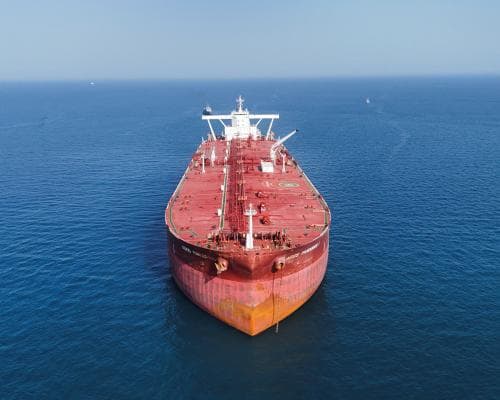
Here is what happened while you were sipping your morning espresso. Iran attempted what the Pentagon called a “surprise attack” on American forces. Saudi Arabia’s critical 400,000-barrel-per-day Jazan refinery went dark after a Houthi strike. Tanker traffic through the Strait of Hormuz—the narrow throat through which a fifth of the world’s oil passes—has effectively frozen. Iran rejected Oman’s 50-50 shipping proposal, demanding full oversight of both inbound and outbound vessels. The result? Oil prices jumped. And for those who manage billions, that jump is a siren.
Let’s talk about the numbers that matter to a portfolio. Reckitt Benckiser, the FTSE 100 giant behind Dettol and Durex, saw its operating profit drop 14.3% to £1.47 billion, partly because of rising oil costs. They had warned of a £150 million hit from crude prices. Now they say the impact is “manageable”—but only because prices have eased slightly. That is the language of a captain steering through a storm, not a calm sea. Meanwhile, European gas storage sits at 56% capacity, well below the ten-year average of 72%. Heatwaves are scorching the continent. And QatarEnergy has extended force majeure for Asian and European buyers through September, even sub-chartering an LNG carrier to cover disruptions. EU LNG imports are down 25% year-over-year in July. That is not a blip. That is a structural squeeze.
For the connoisseur of rare assets, the lesson here is about craftsmanship of a different kind—the craftsmanship of resilience. The ultra-wealthy have long understood that true luxury is not a thing you buy; it is a condition you secure. A private jet is lovely. A villa in the South of France is a pleasure. But a diversified energy portfolio, with direct access to storage, long-term LNG contracts, and geopolitical hedging? That is the new Hermès Birkin. It is bespoke. It is scarce. And it is becoming the single most important conversation in every family office meeting this quarter. The Jazan refinery shutdown alone tightened the refined products market. The Strait of Hormuz standstill threatens every barrel that moves through it. This is not a supply chain issue. It is a sovereignty question.
What does this signal about wealth and taste? It signals that the old markers of status—a car, a watch, a handbag—are being quietly eclipsed by something far more elemental: energy independence. The families who will sleep well this winter are not those with the largest wine cellars. They are the ones who secured their own fuel supply, who invested in private storage, who have a direct line to a trader in Singapore or a producer in the Permian Basin. The market is sending a clear message: volatility is the new normal. The days of cheap, easy energy are over. The new luxury is control.
Looking ahead, the next six months will separate the prepared from the lucky. Analysts at ING warn that the risk of “more prolonged supply disruptions” is growing. European gas prices will stay elevated through winter, with spikes likely. The heatwaves make storage harder to fill. And Iran’s hardline stance on Hormuz shipping suggests this is not a temporary spat—it is a strategic realignment. For the ultra-wealthy, the move is clear: diversify geographically, lock in long-term energy contracts, and treat energy security as a core asset class, not an afterthought. The world’s richest are already doing it. The question is whether you are listening.
Because in a world where a missile can silence a refinery and a single strait can choke an economy, the only true hedge is foresight. And that, dear reader, is the most expensive commodity of all.
The Experience
To explore bespoke energy security solutions—from private LNG storage to geopolitical risk advisory—contact our concierge desk for an invitation-only briefing with our energy and infrastructure specialists.