The Secret Ritual of Valencia’s White Gold: Why the World’s Most Discerning Palates Are Chasing a $50 Glass of Horchata
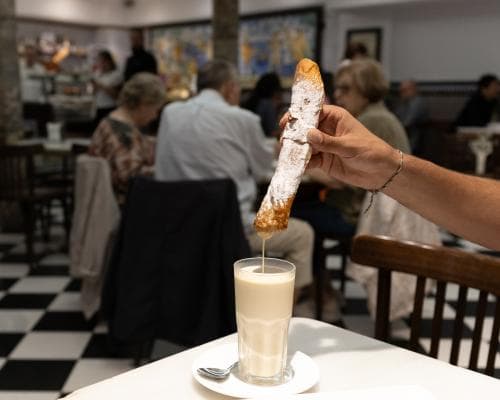
It started with a moustache. A white crescent of horchata clinging to an old man’s upper lip, dabbed away by his wife’s gentle laugh. In a bustling Valencian horchatería, that tiny, tender moment told me everything: this isn’t a drink. It’s a ritual. A daily communion so ingrained in the city’s soul that locals call it “white gold.” And for the ultra-wealthy, who can buy almost anything, the real prize isn’t a bottle—it’s the place, the story, the perfect sip.
Valencia’s horchata de chufa is a paradox. It’s humble—a milky, creamy, non-alcoholic elixir made from tiger nuts—but its production is fiercely guarded. Only 16 towns in the Valencia region are authorised to make it. The global capital is Alboraya, a 45-minute walk from the old town, where the chufa tuber has been cultivated for over 1,000 years. Each spring, farmers harvest 5.3 to 8 million kilograms of these wrinkly, nutty tubers from low-lying fields. They look like wooden raisins. They taste like sweet earth. And they are the non-negotiable foundation of a drink that, in its purest form, costs less than a latte—yet commands the devotion of connoisseurs who fly private to taste it.
The secret is in the process. Chufas are cleaned, soaked, crushed, and mixed with water. Then comes the alchemy: cinnamon, lemon zest, orange zest, and sugar. The result is a liquid that’s neither milk nor juice—it’s a texture, a memory, a slow luxury. Most horchaterías serve three versions: líquida (liquid), granizada (semi-frozen slush), or mixta (a blend of both). I chose líquida, the traditional classic. But the true connoisseur knows the drink is incomplete without its companion: the fartón, a long, cigar-shaped pastry glazed with sugar, invented in the 1960s by the Polo family to mop up every last drop from the bottom of the glass. Some purists prefer the older rosquilletas—salty, anise-flavoured breadsticks that cut the sweetness. I tried both. I understood both.
What separates a great horchatería from a tourist trap is exclusivity. In Valencia, there are hundreds of places serving horchata and fartons. But the ones that matter are the parlours that exist only for this—not cafes that tack it onto a menu of spiced lattes, not ice-cream shops that treat it as a novelty. I wanted old-world charm. I wanted a handwritten list on a single sheet of A4 paper. That list led me to Horchatería Fabián, tucked into a narrow shopping street in the old town. No Wi-Fi. No branding. Just a family that has been grinding chufas for generations, serving the same glass, the same pastry, the same quiet dignity. The price? A few euros. The experience? Priceless.
This is what the luxury market is missing, and what the ultra-wealthy are rediscovering. True status isn’t a limited-edition watch or a bespoke supercar—it’s access to a ritual that can’t be mass-produced. Horchata’s “white gold” nickname isn’t marketing hype; it’s a reflection of scarcity, heritage, and the fact that you cannot replicate a 1,000-year-old tuber grown in a specific microclimate. The wealth signal here is subtle: you don’t flash a label. You simply know the address. You know the family. You know that the best horchata is served at 6 PM, when the light hits the marble counter just so, and an old couple shares a laugh over a moustache.
Looking ahead, the demand for authentic, place-based luxury is only accelerating. As private chefs and sommeliers scour the globe for the next undiscovered ingredient, horchata de chufa is poised to become the next cult obsession—served in Michelin-starred restaurants, bottled for private jets, and whispered about in members’ clubs. But the true connoisseur will always go to the source. They will walk the 45 minutes from Valencia’s old town to Alboraya. They will sit at a wooden table. They will order líquida with a fartón. And they will understand that the most expensive thing in the world isn’t a price tag—it’s a moment that can’t be bought, only inherited.
The Experience
Book a private, guided horchata tasting tour through Valencia’s historic horchaterías, arranged by a local culinary historian who knows the families behind the white gold.