When the Sun Goes Dark: The Billion-Dollar Price of Keeping Britain's Lights On
There is a moment, rare and almost theatrical, when the sky dims and the birds stop singing. For most, a solar eclipse is a spectacle—a reason to don cardboard glasses and gaze upward. But for the guardians of Britain's electricity grid, it is a high-stakes drama where the currency is not applause but millions of pounds, and the actors are gas plants humming in the shadows. This Wednesday evening, as the moon creeps across the sun, blocking up to 95% of its rays over parts of Great Britain, the nation's power brokers are bracing for a shortfall that could test the very limits of modern energy management. And they are paying a king's ransom to ensure that the lights—and the air conditioning—stay on.
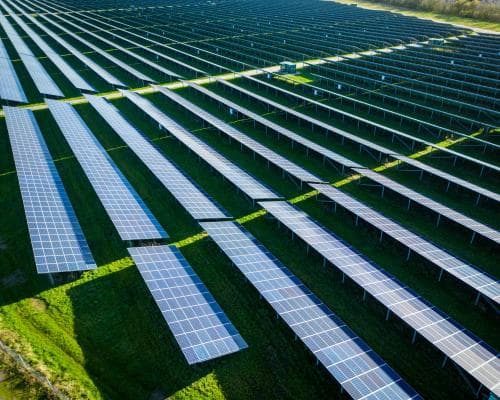
The numbers are staggering, even by the standards of a billionaire's utility bill. The grid operator, National Energy System Operator (Neso), has issued rare summer margin notices, warning of a potential shortfall of over 1,700 megawatts—the output of a solar farm the size of 8,500 football pitches. To plug the gap, it has turned to the old reliables: gas plants. At Connah's Quay in Flintshire, German utility Uniper has agreed to fire up its turbines for a jaw-dropping £875 per megawatt-hour—more than four times the market price of £212. That's not just a premium; it's a declaration that when the sun disappears, the cost of keeping the grid humming becomes almost irrelevant. The grid has also booked 1,200 megawatts of power from continental Europe via undersea cables, with peak requests of 2,550 megawatts between 5pm and 6pm—just as the eclipse reaches its crescendo and the evening demand for cooling systems spikes.
This is the hidden craftsmanship of energy security—a ballet of valves, voltage, and split-second decisions that most of us never see. The gas plants, with their massive turbines and intricate cooling systems, are the unsung heroes of this drama. They are not sleek or glamorous; they are the workhorses of the grid, ready to roar to life at a moment's notice. But their value lies in their reliability, a quality that the ultra-wealthy understand intimately. In a world where every second of downtime is measured in lost millions, the ability to guarantee power—even when the cosmos conspires against you—is worth any price. The fact that Neso initially issued a warning and then cancelled it, calling it a 'precautionary measure,' only underscores the delicate dance between risk and reassurance that defines modern energy management.
For the discerning observer, this eclipse is more than a celestial event; it is a mirror reflecting the evolving priorities of the luxury market. Once, wealth was displayed through tangible assets—yachts, art, rare cars. Today, it is increasingly about securing the intangible: uninterrupted comfort, seamless connectivity, and the quiet assurance that your world will not falter. The £875 per megawatt-hour price tag is a testament to that shift. It signals that the true luxury of the 21st century is not gold or silk, but the invisible infrastructure that powers our lives. As heatwaves become more frequent and solar power more prevalent, the ability to command backup energy on demand is becoming a status symbol in its own right—a private reserve of power, ready to be summoned at will.
Looking ahead, this eclipse is a preview of a future where the sun's whims are no longer a free lunch. As Britain and Europe pivot toward renewables, the grid must become more agile, more adaptive, and more expensive. The next eclipse—or the next heatwave, or the next storm—will demand even greater ingenuity and deeper pockets. For the ultra-wealthy, the lesson is clear: true security is not in what you own, but in what you can guarantee. And on Wednesday evening, as the moon casts its shadow over the British Isles, the price of that guarantee will be millions—and worth every penny.
The Experience
For those who prefer to watch the eclipse from a private jet above the clouds, charter a flight with a view of the shadow's path—and ensure your onboard systems are powered by a dedicated backup generator.